Malapascua Diving Guide: Thresher Sharks, Dive Sites & Trip Planning

Updated: Oct 15

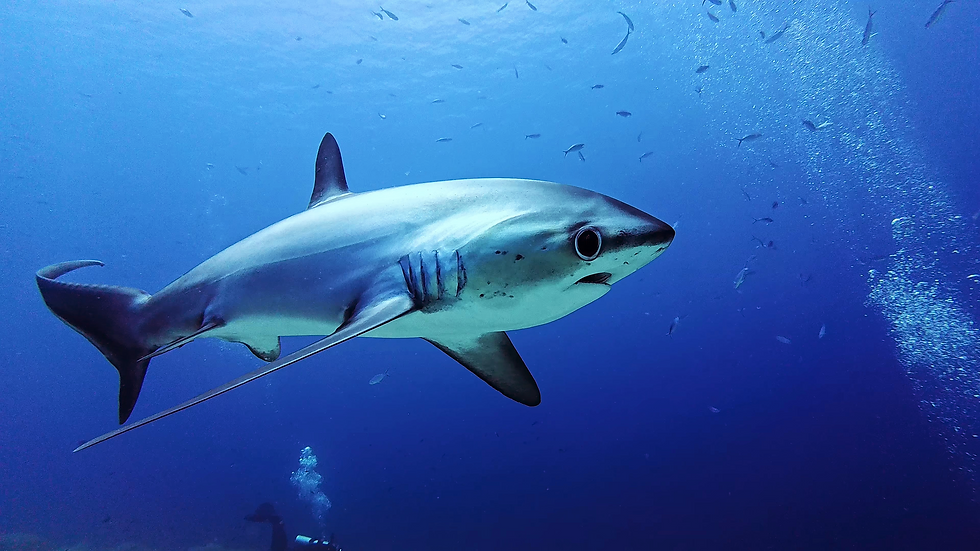
Malapascua is one of the Philippines’ best-known dive destinations, especially for encounters with thresher sharks. But a good trip here should not be built around one shark dive alone. The strongest itineraries combine Kimud Shoal, Gato Island, local reefs, macro diving and — when conditions and schedules allow — night diving.
This guide is written from the perspective of a working dive resort on Malapascua. It focuses on practical trip planning rather than promising wildlife or selling a fixed itinerary. Shark sightings are never guaranteed, and actual dive plans depend on sea conditions, certification, recent experience and the dive team’s assessment.
Last reviewed: 14 October 2026.
Malapascua diving at a glance
For most divers, the value of Malapascua is the variety packed into a relatively small destination. You can spend one morning watching for thresher sharks in open blue water, another day exploring Gato Island, then add relaxed local reef dives, macro photography or a night dive. That mix is why a multi-day plan normally works better than a rushed one-morning stop.
Our current fun-dive packages are structured by dive count — 3, 6, 9 or 12 dives — rather than forcing every guest into the same itinerary. This gives the dive team room to build the schedule around conditions, diver experience and the sites that make sense during your stay. See the live Malapascua dive packages for current inclusions and pricing.
Thresher shark diving: Kimud Shoal is the key site
Kimud Shoal is currently the primary thresher shark site used by our operation. The cleaning area allows divers to wait along the shoal while the sharks move through the blue. Encounters can be regular throughout the year, but these are wild animals: no responsible operator can guarantee that a shark will appear on a particular dive.
Compared with the older deep-water thresher experience at Monad Shoal, Kimud has made thresher diving more accessible to a wider range of certified divers. Some profiles can suit Open Water-certified divers, subject to conditions and the dive team’s assessment. Good buoyancy, calm movement and the ability to follow the guide remain more important than chasing a photograph.
For a first-hand account of how Malapascua’s thresher diving changed from the older Monad era to Kimud, read our Malapascua thresher shark story.
Dive sites beyond the thresher sharks
Malapascua has enough variety that the thresher dive should be the headline, not the entire story. Gato Island gives a very different experience, with swim-throughs, reef scenery and macro opportunities. Local sites around Malapascua are useful for relaxed reef diving, photography, check dives and filling out a multi-day schedule without repeating the same profile every day.
Night diving adds another layer for divers who enjoy smaller marine life and behaviour that is easy to miss during the day. Special outer-island or private trips can also be arranged in the right circumstances, but they should be treated as separate logistics rather than assumed to be included in a standard package.
Use our Malapascua dive sites guide to compare Kimud, Gato and local sites before deciding how many dives to book.
What is the best time to dive in Malapascua?
There is no single month that guarantees the thresher shark experience. The more useful questions are what the current sea conditions, visibility, wind and site access are like during your actual travel dates. If sharks are your priority, build enough diving days into the trip that one weather-affected morning does not decide the entire holiday.
How many days should you stay?
For a first dive-focused visit, roughly 5–7 days is a practical target. It gives you room for multiple shark opportunities, Gato Island, local dives and recovery time without turning every day into a race between boats, meals and transfers.
Our current full dive-holiday formats reflect that range: 5D4N with 10 dives, 6D5N with 12 dives, and 7D6N with 15 dives. These packages combine the resort and dive logistics rather than leaving you to assemble every component separately. Check the live dive holiday packages for the current terms and inclusions.
Certification and recent dive experience
The right dive plan depends on more than the certification card in your wallet. Recent experience, buoyancy, comfort in current and the conditions on the day all matter. If you have been away from diving for a while, a check dive or refresher may be the sensible first step before a more demanding itinerary. We do not treat one arbitrary time gap as a substitute for assessing the actual diver.
If you need training, compare our PADI courses and scuba refresher options before building the rest of the dive schedule.
Dive package or full dive holiday?
Choose a dive package if accommodation is already sorted
The 3, 6, 9 and 12-dive packages are designed for divers who mainly need the diving itself. Standard dive fees, taxes, boat charges, full standard equipment excluding a dive computer, guide service, drinking water and simple dive-day refreshments are built into the package structure.
Choose a dive holiday if you want one operator to coordinate the trip
The full holiday packages are built around twin-share air-conditioned accommodation subject to availability, three meals per day, guided fun dives, standard dive fees and equipment, and private round-trip airport vehicle and boat transfers. Availability is checked before payment; an enquiry itself does not charge you.
We deliberately keep live prices and booking terms on the commercial pages instead of copying them into this guide. That reduces the chance of an old article being quoted after a seasonal price or operating detail has changed.
Getting to Malapascua
Most guests travel from Mactan-Cebu International Airport or Cebu City to Maya Port by road, then cross from Maya to Malapascua by boat. A private transfer is the simplest option when you have dive luggage or a tighter arrival plan; public transport can be cheaper but is less predictable.
Public-boat timing and fares can change with passenger demand, weather and local operations, so avoid planning around an old fixed timetable copied from the internet. Our updated Cebu to Malapascua transport guide explains the route and current private-transfer pricing.
What should you book first?
Already have a room and want guided fun diving? Start with Dive Packages.
Want accommodation, meals, diving and private airport transfers together? Start with Holiday Packages.
Need certification training or a refresher? Start with PADI Courses.
Still deciding what kind of diving you want? Compare the Dive Sites first.
The most useful sequence is simple: decide how much diving you want, choose whether you need accommodation and transfers bundled with it, then let the actual site schedule adapt to conditions on the island.
Quick answers
Can you see thresher sharks year-round in Malapascua?
Regular encounters are possible throughout the year and Kimud Shoal is our primary operational thresher site, but wildlife sightings can never be guaranteed.
Is Gato Island worth adding?
Yes. It gives a contrasting dive day with a different underwater landscape and a mix of reef and macro interests, so it prevents a Malapascua trip from becoming only repeated shark dives.
Do I need my own dive equipment?
No. Standard full equipment is available in our dive-package structure; a dive computer is treated separately from the standard full-equipment inclusion.
Can newer divers visit Malapascua?
Yes, but the right sites and sequence depend on certification, recent experience and conditions. Training and refresher options are available if you need to build confidence before the main dives.
Plan the trip around the diving — not the other way around
Malapascua rewards a little flexibility. Give yourself enough days, avoid treating any wildlife encounter as guaranteed, and use live package pages for current prices and inclusions. Weather, sea conditions and the final dive schedule are operational decisions best made with current information on the island.